Celebrating 16 years!
Thank you for 16 years!
This year Perfect Touch Cleaning Seattle celebrates sixteen years providing trusted and excellent cleaning services. I am grateful for all my clients, some of which have been with me since 2010.
Around 2010, I decided to start my own business and do what I love—cleaning and service.
A special thank you to my mother who taught me to do everything.
Looking forward to another great year.
I wanted to get all of the moisturizer from a pump bottle. I discovered that we could put the pump bottle upside down on the hole of an empty toilet paper roll and ta-da, the bottle stays there. Gravity moves the liquid to the top of the bottle and then we can remove the bottle top and all of the liquid is at easy reach. No more trying to balance the bottle against the wall of the counter or cutting the hard plastic bottle in half to dig out the moisturizer. A simple way to get the last drop of moisturizer from a bottle!
Donation to Humane Society of Tacoma and Seattle
In memory of Archie, my beloved cat who passed away in August this year, one of my client’s relatives made a donation to Burien C.A.R.E.S. My beloved Archie, as you may recall reading, was adopted from the Seattle Animal Shelter in Seattle. We had fifteen years of fun together. In his memory, I donated to the Humane Society of Tacoma. One of the best parts of cleaning for my clients is to be greeted by all the lovely cats, dogs, and even birds!

Making hand sanitizer or washing hands–or both
During Covid times, we have experienced difficulty in purchasing store bought hand sanitizer. Recipes have become available on line suggesting we can make it at home using equal parts of aloe vera gel and 60% isopropyl alcohol. If you are going to make it at home experts highly recommend 60% isopropyl alcohol.
Experts recommend washing hands for at least 30 seconds, while singing happy birthday to you. The idea here is to wash hands, top and bottom and between finders and under finger nails with a nail brush, thoroughly. The soap helps slide off the dirt and germs, with a finish of water.
Please stay safe and healthy. Follow the advise of the experts. Social distancing may feel like isolation but these times can be opportunities to discover new interests.
What the fragrance industry does not want you to know
Women’s Voices for the Earth recently posted this article:
Toxic reform law would gut state rules on dangerous chemicals
Women’s Voices for the Earth recently posted this article. Read entire article at:
Toxic “Reform” Law Will Gut State Rules on Dangerous Chemicals
2014 year in review
The WordPress.com stats helper monkeys prepared a 2014 annual report for this blog.

Here’s an excerpt:
A San Francisco cable car holds 60 people. This blog was viewed about 750 times in 2014. If it were a cable car, it would take about 13 trips to carry that many people.
Household Hazards
States Move Against Toxic Chemicals in Everyday Products
Article from Natural Awakenings, October, 2014.
This year, at least 33 states are taking steps to address the untested and toxic chemicals in everyday products. Many toys, clothes, bedding items and baby shampoos contain chemicals toxic to the brain and body. The federal 1976 Toxic Substances Control Act has become outdated, allowing untested chemicals and known carcinogens, hormone disruptors, heavy metals and other toxins to be ingredients in commonly used products.
Wise new polices would change labeling and disclosure rules for manufactures so that concerned consumers know what chemicals products contain and/or completely phase out the use of chemicals like bisphenol A (BPA) in infant formulas cans, food packaging and receipt paper; formaldehyde in children’s personal care products; chlorinated tris (hydroxymethylaminomethane) in toxic flame retardants and other consumer products; phthalates, lead and/or cadmium in children’s products; and mercury.
An article from Women’s Voices for the Earth, April 2014 newsletter.
Babies can be particularly vulnerable to
toxic exposures during certain windows of
development. Some of these windows occur very
early on, before a woman even knows she is pregnant,
many occur during pregnancy, and some occur after
birth as the child grows. The good news is that mothers
who take good care of their health by getting enough
sleep, eating healthy, and exercising regularly can boost
their bodies’ defenses against toxic chemical exposure
that can otherwise be hard to control.
Increasingly, research indicates that unnecessary
exposures to toxic chemicals in the home may be taking
a toll on health of women and babies. Here are some
simple tips for avoiding toxic chemicals before, during,
and after your pregnancy to help give you and your
baby a healthy advantage.
Make Your Own Cleaning Products. It’s easy, fun, and cheap to make non-toxic cleaners
from safe and effective ingredients like vinegar and
baking soda. Find recipes on the WVE website.
WHY? Certain chemicals in cleaning products have
been linked to reduced fertility, birth defects, increased
risk of breast cancer, asthma, and hormone disruption.
Not to mention the fumes from some cleaners can be
overwhelming for a pregnant woman’s heightened sense
of smell.
Avoid Synthetic Fragrance. Shop for cleaners, laundry detergents, and personal
care products labeled “fragrance-free.” Warning:
“Unscented” does not always mean fragrance-free!
Don’t use air fresheners. Find tips on the WVE
website to reduce odors around the home naturally.
WHY? Synthetic fragrance can be made up hundreds of chemicals, which manufacturers are legally allowed to keep secret from consumers. Common fragrance chemicals include phthalates (linked to reproductive and developmental harm) and synthetic musks (potential) risks of breast cancer).
Some Chemicals of Concern Detected in
Pregnant Women’s Bodies
and/or Breastmilk:
- Bisphenol-A: receipts, canned foods
- Flame retardants (PBDEs): furniture, electronics,
- foam-padded baby products
- Triclosan: antibacterial cleaners, antibacterial handsoap
- Benzophenones: sunscreens
- Pesticides: food, insect repellents, lawn chemicals
- Phthalates and Synthetic Musks: fragrance, cosmetics, air fresheners, scented cleaners
- PFOAs: non-stick cookware
- Parabens: personal care products
Make Over Your Personal Care
- Read the label to avoid chemicals like parabens, sodium laureth sulfate, mercury (thimerosal), benzophenones and placenta.
- Check the Skin Deep database at cosmeticsdatabase.com to find safer products or see how yours measure up.
- Use fewer products, and use them less frequently to reduce exposures.
WHY? Personal care products contain a wide variety
of chemicals, including some known to be of concern,
and many that lack research to prove safety for women’s
health. These products are applied directly to our skin
where they are easily absorbed into our bodies.
Go “BPA-Free”. Ditch the canned foods and opt for fresh or frozen
fruits and vegetables instead. Look for products packaged in glass or lined
cardboard instead of cans.
What Salon Workers & Customers Need To Know
Women’s Voices for the Earth is a national organization that works to eliminate toxic chemicals that harm women’s health by changing consumer behaviors, corporate practices, and government policies.
Recently, WVE published an article about toxic chemicals used in salons and what we as workers and customers need to know about using salon products.
By clicking on the link below, you can read the entire article.
Go Plastic-Free. Game On: Ways to Shrink Our Footprint
Article from Natural Awakenings by Randy Kambic August, 2013
Looking around us, we see plastic everywhere. Besides the customary food and product packaging, plus store bags, consider all the nooks and crannies of our lives that plastic now permeates: eating utensils; baby and pet toys; computer keyboards and accessories; pens; eyeglasses; athletic footwear; backpacks; lighters; ice cube trays; shaving razors; tool handles; hairbrushes and toothbrushes–even some facial scrubs, shampoos and chewing gum.
Beth Terry, author of Plastic Free: How I Kicked the Habit and How You Can Too, points our compelling reasons to take personal action. In 2007, this Oakland, California, resident saw a photo of the decomposed carcass of a Laysan albatross riddled with plastic bits in an article on water pollution.
“For several seconds, I could not breathe,”she writes. This seminal moment led her to further research, by which she realized, “Thisplague of plastic chemicals is harming everyone, and especially the most vunerable members or our planet–children and amimals–and that is both unacceptable and unfair.” She’s been working on going plastic-free ever since.
I made a game of it; a fun, creative, step-by-step challenge,” she advises. “You can’t go through the house and think you can get rid of all plastic immediately. As items get used up, you’ll find alternatives.” Once we are in the habit of staying alert to the plastic scourge, we’ll naturally spot opportunities for healthy change-ups.
Science Sounds the Alarm
In 2011, Harvard School of Public Health researchers made news by discovering that consuming one serving of canned food daily for five days led to significantly elevated urinary levels of bisphenol-A (BPA). This plastic and epoxy resin ingredient is found in the liners of many food and drink cans and sometimes in plastic bottles. It’s know to be a serious endocrine disrupter.
Cardiovascular disease, diabetes, altered functions of reproductive organs and other ailments have been linked to high BPA levels in several studies, including one cited in Endocrine Reviews journal. The Manchester Guardian also recently reported that the French Agency for Food, Environmental and Occupational Health Safety has stated that an unborn baby’s exposure to BPA through the mother could be linked to many health problems, including breast cancer later in life.
When plastics are subjected to stress–like heat, light or age–undisclosed additives used in their production for strength, flexibility and color can leach out and even contaminate lab results, as the University of Alberta’s Faculty of Medicine & Dentistry found. Such chemicals can migrate into our digestive systems and through our skin; they can also off-gas into the air, according to a recent study by Weber State University’s Energy & Sustainability Office, in Ogden, Utah. Plus, unrecycled plastic materials can enter waterways and kill maring life through ingestion or entanglement (ocean garbage patches are major examples). Reducing our own plastic footprint can both sageguard family health and prove that we are serious about pressuring industry to produce less of it. The key, according to Terry, is not to be intimidated or overwhelmed by plastic overload, but persist in taking baby steps (see MyPlasticFreeLife.com).
How To Begin
As a starting point, Terry notes that plastic enables the long-distance food distribution system. Reducing food miles associated with our meals helps cut down on the use of plastic. In the kitchen, use airtight stainless steel containers or recycled glass jars or simply refrigerate a bowl of fool with a saucer on top to hold leftovers for the next day. Compost food waste. Reuse empty plastic food bags and line garbage cans with old newspapers instead of plastic garbage bags.
Terry cautions, “People assume everything that carries the triangular sysbol is accepted at all recycling facilities. This is not the case. What isn’t accepted is landfill or even incinerated.” Also, according to the city of Oakland’s Waste Management Department, she learned that “Much of what we put out for recycling goes to China, and their processing standards are not as strong as ours.”
In Plastic Free, the author provides scores of tips for borrowing, renting and sharing products; buying used plastic equipment if it’s a necessity; and avoiding disposable packaging and paper products. Areas for improvement range from personal care and household cleaning products to bags, bottles, grocer shopping, takeout food, portable leftovers and lundhes, plus durable goods. Activists will move on to also particpate in area cleanups, donate to green organizations and write their legislators.
To learn what is acceptable recycled materials in your area, go to your city or county govenment websites.
Dawn Dishwashing Liquid Helps Save Wildlife
Gail Griswold-Elwyn, founding president of Rethink Renovations of St. Louis, MO wrote an article for Healthy Living, Healthy Planet’s Natural Awakenings publication in April, 2013. The article explains why we should avoid five chemicals contained in cleaning products. The ariticle is entitled: Household Cleanse; Banish these Five Chemicals for a Domestic Detox.
“Americans are collectively more aware and educated than just a few years ago about the range of environmental chemicals we inhale and ingest, yet most still live with dangerous substances in their homes,” according to Jen Loui. Loui is a Leadership in Energy and Environmental Design-accredited professional in St. Louis and an industry expert who writes green curricula for high schools across the country.
Guarding against pollution of indoor air is a good place to start; the U.S. Environmental Protection Agency (EPA) has ranted poor air quality among the leading environmental dangers, reporting links to many common health problems. Here’s how to rid the family home of the top five common household toxins.
Formaldehyde. Traces of this toxin, the same chemical used to embalm the deceased, pervade almost every room. “My clients are often shocked to learn that they likely ingest this toxic, cancer-causing chemical every day of their lives.” says P. Richelle White, a sustainable lifestyle coach and c0-owner of Herb’n Maid, a green cleaning and concierge service in St. Louis. “Because formaldehyde is often an ingredient in every day things like cosmetics, faux wood furniture and conventional cleaning products, they get a daily dose of it.”
Even at low levels, formaldehyde can cause eye, nose, throat and skin irritation and at its most malignant levels, it can cause severe allergic asthma, infertility and lymphoma, according to the Illinois Department of Public Health.
Healthier choices: Switch to all-natural beauty products and cosmetics. At minimum, check that compressed wood fibers don’t use a formaldeyhde-based chemical as a binding agent; better yet, choose natural, reclaimed wood for interior surfaces and furnishings.
Polyvinyl chloride. PVC is omnipresent and dangerous. Water bottles, nylon backpacks, pipes, insulation and vinyl tiles generally contain PVC, as well as almost anything waterproof, such as baby changing mats, mattresses covers and shower curtains. PVC usually contains plasticisers called phthalates, which are released over time; it also can chemically combine with other organic materials to produce toxic dioxin byproducts. According to Greenpeace and the Natural Resources Defense Council (NRDC), PVC byproducts and vapors are endocrine disruptors that can mimic or block hormones in the body. In addition, the EPA has linked PVC to serious respiratory problems, immune suppression and cancer.
Heathier choices: Look for PVC-free plastics. When shopping for waterproofed items, choose those with coatings made from polyurethane or polyester. Choose 100 percent cotton shower curtains, which, by the way you can wash in the washing machine over and over instead of throwing it away in the garbage to sit in a landfill, forever.
Phthalates. A 2007 report by the NRDC notes that 12 out of 14 common brands of household air fresheners and room sprays contain phthalates, which people and pets regularly inhale primarily because these chemicals prolong the time that products maintain their fragrance. In studies conducted by the World Health Organization, researchers concluded that consistent exposure to phthalates could increase the risks for endocrine, reproductive and developmental problems. The majority of synthetic air fresheners were found to also emit significant amounts of terpene, a volatile organic compound (VOC) that can react with naturally occurring ozone to create formaldehyde.
Allergies, asthma, lung cancer and heart problems have all been linked to poor indoor air quality says the U.S. EPA.
Healthier choices: Put boxes of baking soda in cabinets to absorb odors and scent interiors with all-natural oils and potpourri.
Chlorine: According to the American Lung Association, most conventional cleaning products include some chlorine, with large concentrations in bleach. Inhalation of chlorine can irritate the respiratory system; prolonged exposure can lead to lung disease and asthma.
Healthier choices: Purchase chlorine-free cleaning products, especially chlorine-free bleach. Or make inexpensive solutions of white, distilled vinegar mixed with a little lemon for a multi-purpose, multi-surface cleaner and try baking soda as a scrubbing powder. Lemon is a natural antibacterial substance.
Volatile organic compounds. VOCs are emitted as harmful gases by a wide array of products including paints. lacquers and paint strippers; cleaning supplies; pesticides; carpet and furnishings; office copiers and printers; correction fluids and carbonless copy paper; plus graphics and craft materials that include glues and adhesives, permanent markers and photographic solutions. The EPA calculates that, “Concentrations of many VOCs are consistently higher (up to 10 times) indoors that outdoors.”
Healthier choices: Look for VOC-free products and consider using organic clay paint, which has the added benefit of acting as an absorbent of toxic gases.
Most people spend up to 90 percent of their time indoors, where the air quality can be two to five times, and even up to 100 times more polluted that the air we breathe outside, according to the EPA. “A simple solution is to open windows for a portion of the day or night to let in fresh air,” advises Loui. Making these choices enables us to protect ourselves better at home.
Gail Griswold-Elwyn is founding president of Rethink Renovations, which offers green design/build and construction services, including cabinetry and furniture that minimize environmental impact. Connect at RethinkRenovations.com.
Recipies for natural cleaning products can be found on this website on the tab, Money Saving Alternative to a Clean and Safe Home.
Perfect Touch Cleaning Seattle Is On Angie’s List
Perfect Touch Cleaning Seattle joined Angie’s List this week. All of our information can now be found there.
Articles
Support Women’s Voices for the Earth @ www.womensvoices.org
Women’s Voices for the Earth is a national organization that works to eliminate toxic chemicals that impact women’s health by changing consumer behaviors, corporate practices and government policies.
Vision
Our vision is a world in which all women have the right to live in a healthy environment, free from toxic chemicals that adversely impact their health and well-being. Women will be leaders in this world, where corporate practices and government policies ensure that the water they drink, the food they eat, the air they breathe, and the products they use in their homes and workplaces are not contaminated with toxic chemicals that may impact their health.
Core Principles
WVE works at the intersection of health, environmental and reproductive justice, and women’s leadership, guided by the following core principles:
- Commitment to creating a world where all women are protected from toxic exposure in their home, workplaces, and communities.
- Commitment to ensuring that women have equal political, economic and social rights.
- Particular focus on the needs of women who are most affected by environmental hazards, including women of color, low-income women, women with occupational exposures, and women of reproductive age, who are especially vulnerable to toxic exposures. In addition, we engage women who self-identify as “green,” and who may be early adopters and multipliers of green actions.
- Creation of opportunities to make women more aware of environmental health hazards, become engaged and mobilized to advocate for environmental health, and become change-agents as members of households, consumers, concerned citizens, and workers.
- Commitment to advancing social justice and equality. We believe all people have the right to a healthy environment and to protection from environmental hazards.
Article from Women’s Voices for the Earth
Other Cosmetics Giants Challenged to Follow Suit
For Immediate Release: August 15, 2012
Contact: Shannon Coughlin 415/336-2246, scoughlin@breastcancerfund.org Alex Formuzis 202/667-6982, alex@ewg.org
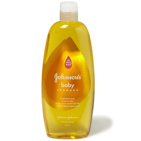 |
San Francisco — Prompted by growing concerns raised by the Campaign for Safe Cosmetics, Johnson & Johnson (NYSE: JNJ), makers of Aveeno, Neutrogena, and Johnson’s Baby Shampoo, announced today that it will be removing carcinogens and other toxic chemicals from its baby and adult products globally.
“This is a major victory for public health,” said Lisa Archer, director of the Campaign for Safe Cosmetics at the Breast Cancer Fund, a co-founder of the campaign. “We applaud Johnson & Johnson for its leadership in committing to remove cancer-causing chemicals from its products. We will be vigilant in making sure it meets its commitments and will continue to encourage it to remove other ingredients of concern. And we call on other cosmetics giants—Avon, Estee Lauder, L’Oreal, Procter & Gamble and Unilever—to meet or beat J&J’s commitments and signal they take consumer safety as seriously as their competitor. As always, we encourage consumers to seek out the safest products for their families and support companies that are avoiding chemicals of concern.”
The Campaign for Safe Cosmetics, a national coalition of more than 175 nonprofit organizations working to protect the health of consumers and workers by eliminating dangerous chemicals from cosmetics and led by the Breast Cancer Fund, Clean Water Action, Commonweal, Environmental Working Group, Friends of the Earth and Women’s Voices for the Earth, will launch a national campaign this week challenging L’Oreal (Maybelline, Garnier, Kiehl’s, The Body Shop, Softsheen-Carson), Procter & Gamble (CoverGirl, Pantene, Secret, Old Spice), Estee Lauder (Clinique, MAC, Prescriptives), Avon, and Unilever (Dove, Ponds, St. Ives, Axe) to follow J&J’s lead and commit to removing carcinogens and other harmful chemicals from cosmetics and specify a timeline for removal.
Johnson & Johnson, one of the largest companies in the world, told the Campaign it will reformulate its hundreds of cosmetics and personal care products in all the markets it serves in 57 countries around the world. J&J has confirmed to the Campaign that it has set an internal target date of reformulating adult products by the end of 2015, and it will use safe alternatives when reformulating. It will:
• Reduce 1,4 dioxane to a maximum of 10 parts per million in adult products; • Phase out formaldehyde-releasers in adult products; • Limit parabens in adult products to methyl-, ethyl- and propyl-; • Complete phase-out of triclosan from all products; • Phase out Diethyl Phthalate (DEP) from all products (no other phthalates are currently used); • Phase out polycyclic musks, animal derived ingredients, tagates, rose crystal and diacetyl from fragrances.
Johnson & Johnson’s announcement follows the company’s November 2011 commitment to globally reformulate its baby products to remove carcinogens 1,4 dioxane and formaldehyde by the end of 2013, which was triggered by years of campaigning and dialogue by the Campaign for Safe Cosmetics and allies including the American Nurses Association, including the release of two reports Toxic Tub and Baby’s Tub is Still Toxic, which showed Johnson & Johnson baby products contain these carcinogens.
Both formaldehyde and 1,4-dioxane cause cancer in animals, and formaldehyde was recently classified as a known human carcinogen by the U.S. National Toxicology Program. Phthalates, parabens, triclosan and polycyclic musks are all considered to be likely hormone disruptors and have been linked to a variety of health problems ranging from birth defects to diabetes, obesity and breast cancer.
“While J&J still has work to do, we support its efforts and will keep working with the company to make improvements,” said Erin Switalski, executive director at Women’s Voices for the Earth, a co-founder of the Campaign for Safe Cosmetics. “In addition to being a real win for public health, we believe that these commitments will bode well for J&J’s bottom line, too. Consumers are simply looking for the safest products out there.”
“While voluntary action on the part of manufacturers like Johnson & Johnson indicates that some in the cosmetics industry are getting the message that consumers want safer products,” said Cindy Luppi, director at Clean Water Action, a co-founder of the Campaign for Safe Cosmetics, “only stricter regulation of this $50 billion industry will ensure that all consumers are protected.”
The Safe Cosmetics Act of 2011, currently circulating in Congress, will phase out chemicals linked to cancer and reproductive harm; implement a strong safety standard designed to protect children, pregnant women and workers; require full disclosure of ingredients; and give FDA the authority to recall dangerous products.
“Today’s action by Johnson and Johnson is another example of a company responding to their customers and the public interest community,” said Nneka Leiba, senior analyst with Environmental Working Group, a co-founder of the Campaign for Safe Cosmetics. “Unfortunately, not every company will take similar steps to protect consumers from potentially toxic ingredients. That is why we need Congress and the cosmetics industry to support the Safe Cosmetics Act that will require substances be safe for human health before being used in the products we all use every day.”
The Campaign for Safe Cosmetics is a national coalition of more than 175 nonprofit organizations working to protect the health of consumers and workers by eliminating dangerous chemicals from cosmetics. www.safecosmetics.org
USDA Certified Organic: What are your products wearing?
USDA Organic is more than a seal. It’s an earned privilege and a badge of honor. It’s a committment to pure ingredients, not toxins. It makes sense to choose products that are pure and healthy, not filled with toxins. Unless products are wearing the USDA Certified Organic seal ensuring at least 95% organic content then you’re probably getting toxins like pesticides, GMOs and more. USDA Organic is the assurance you can count on due to the numerous standards and checkpoints in place every step of the way.
What are your foods and products wearing? If they’re not displaying the US Department of Agriculture (USDA) Certified Organic Seal, then they could be wearing more than you want. If they’re wearing the USDA Organic seal, however, then you’re getting high quality, pure, nutritious goods, not toxins like pesticides and are not genetically modified organisms (GMOs) and more.
By definition, the USDA Organic seal means: No irradiation. No sewage sludge. No synthetic fertilizers. No pesticides. No genetically modified organisms. It also denotes adherence to animal health and welfare standards, zero antibiotics or growth hormones, 100% organic feed and giving animals access to the outdoors. Additionally, it means specific soil and water conservation methods and pollution reduction.
It Starts With the Land and Ends with You
It’s a three-year process to convert land to organic status, and only in the third year, not before, can produce be called organic. There’s also a residue-testing program to verify that pesticides are not applied to organic crops, since over 3,000 high-risk toxins, including pesticides, are by law excluded from organic products.
This is huge because if a product starts by being grown with pesticides or other toxins, then it ultimately gets to you. For example, the most common plants used for the majority of protein powders or greens products on the market, including soybeans, cereal grasses, spinach, kale, broccoli and others, all rank high in pesticide use while growing. If the plant gets the toxins, then so do you, unless the product is USDA Organic.
Over one billion tons of pesticides are used in the US each year and four crops, including soybeans, receive 73% of the pesticides in the US. Likewise, genetically modified (GM) soy and corn make up more than 80% of all GMOs available and are in nearly every processed food in the US. Additionally, GM food manufacturers don’t have to say on the label that a food contains GMOs.
Unfortunately, those toxins show up in us. For instance, a 2004 CDC data analysis revealed that 100% of blood and urine tests from all subjects monitored showed pesticide residues; some over four times what is deemed “acceptable.” This is disheartening news. Pesticides can cause poisoning, infertility, birth defects, nervous system damage and cancer. GMOs can lead to infertility, immune dysregulation, accelerated aging, dysregulation of genes associated with cholesterol synthesis, faulty insulin regulation, cell signaling, protein formation and changes in the liver, kidney. spleen and gastrointestinal system.
Avoid these toxins by choosing USDA Certified Organic. Scientists say that pesticide levels drop to undetectable levels when test subjects eat an organic diet, but return almost immediately with a non-organic diet.
What This Means for Plant Proteins, Greens and You
The most common plants used for the majority of protein powders or greens on the market rank high in pesticide use and other toxins while growing. This is a problem. If the plant get the toxins then so do we unless the product is USDA Organic. Protein powders contain essential amino acids that we must have for life. Since our bodies require them, we need to make sure they come from clean sources, not toxin-laden ones. Likewise, when you juice greens, you concentrate nutrients. If the source of your juice is not organic then the toxins are concentrated.
USDA Certified Organic is Serious Business
Before a product is labeled organic, a government approved certifier inspects organic farmers, ranchers, distributors, processors and traders, including supermarkets and restaurants, to make sure they comply with all USDA organic regulations. The USDA conducts audits and ensures that certifying agents properly certify organic products. Working with the USDA, the National Organic Program (NOP) develops the laws that regulate the creation, production, handling, labeling, trade and enforcement of all USDA Organic products.
The process is strictly enforced. Any individual or company who sells or labels a product as organic when it doesn’t meet USDA standards can be fined up to $10,000 for each violation or be suspended from or lose their organic certificate.
Small farmers with less than $5,000 in organic sales are exempt from the certification process, but they must still comply with government standards and can’t display the USDA Organic seal.
Check what your products are wearing. If you see the USDA Organic seal, you can be assured that the product is indeed, organic.
The Elite: Only These Can Display the USDA Organic Seal
The USDA has established an organic certification program that requires all organic goods to meet strict government standards. These standards regulate how such foods are grown, handled and processed and only products certified 95% or more organic can display this USDA sticker.
Here’s what it all means: If food boasts the USDA Organic label, then it has been produced and processed according to the USDA standards and at least 95% of the food’s ingredients are organically produced. Food or products that are completely organic are labeled as such–100% organic–and carry a small USDA seal. Foods that contain more than one ingredient can use the USDA organic seal or the following wording on the labels, contingent on the number of organic ingredients:
Organic: Products that are at least 95% organic, not counting added water or salt and must not contain added sulfites.
Made with Organic ingredients: These are products that contain at least 70% organic ingredients. The organic seal can’t be used on these packages. For foods that contain less than 70% organic ingredients, the organic seal can’t be used on their packaging.
Natural is not organic: Don’t mistake the term natural for organic. Natural foods are not organic. They don’t contain additives or preservatives but they can be grown with pesticides or GMOs and they are barely regulated. The only real requirement is that the label must explain the use of the term natural, such as no added colorings or artificial ingredients or minimally processed.
This article is published in Extradordinary Health Magazine by Garden of Life, LLC.
Safe & Healthy Gardening Tools
Summer is almost here – time to get in the dirt, sow some seeds, and take full advantage of your area’s best growing season. It’s great exercise and a fun way to provide your family with healthy and inexpensive food! But are there some hidden toxic hazards in your tool shed?
A recent study of gardening tools from HealthyStuff.org found that two-thirds of garden hoses, garden gloves, and other gardening tools tested contained levels of chemicals of high concern such as lead, phthalates and Bisphenol A (BPA)!
Much of the problem comes from the presence of these chemicals within the vinyl (PVC) in hoses, on gloves, and on tool handles. Lead, phthalates and BPA pose a risk of being absorbed into your hands or leaching into your soil and potentially contaminating your healthy garden. But the good news is that safer alternatives do exist, so you can avoid this unnecessary exposure to toxic chemicals.
What Can You Do?
- Check out www.HealthyStuff.org to view their report and helpful video to help you avoid the most problematic items.
- Store your hose in the shade (heat will increase the leaching of chemicals from your hose).
- Let your hose run for a few seconds to flush out the water that has been stored in the hose (which will have the highest chemical content).
- Don’t drink from a hose unless you know it has been certified as drinking water safe and lead-free.
- If you decide to replace a toxic gardening tool you have already purchased, contact the company and tell them why! Your voice is so important to help drive the industry towards making safer products!
Great Recipes & Cooking Websites
Now that you have a housekeeper, you have more time to enjoy other interests, like cooking!
Here are some websites that we like:
Coming soon are recipes that we like. If you have a great recipe that you would like to share with others, feel free to comment.
I am proud to announce that in January, 2013 the results of the annual customer satisfaction survey results rating is 100% excellent! The reoccurring comments across the board from existing clients is that the service is affordable, reliable, knowledgeable, friendly, efficient, professional, carefull, trustworthy, detail oriented and that we would refer the service to our friends and family as the best cleaner in town!
The World’s First Museum of Clean
The Don Aslett Museum of Clean
This first ever and one-of-a-kind museum collects, preserves, and displays artifacts and records that illuminate the little-known history of cleaning. It gives visitors a new view of clean, its power and omnipresence in our lives—and it’s fun. It highlights more than 3,000 treasures of the past and reveals the progress of cleaning up ourselves and the planet over the centuries. You will find here the tools, machines, appliances, art, posters, and dramatic presentations that add up to a look, feel, hear, and “try-it-out” trip!! Don Aslett, America’s #1 Cleaning Expert, after more than 58 years in the profession of clean, created this as his lifetime legacy. The museum is located in a beautiful southern Idaho city, Pocatello, and housed in a spacious 80,000-square-foot green building.
Contact: Don Aslett, 208-236-6906; DonAslett@MuseumofClean.com and visit www.museumofclean.com for more information.
Click to enlarge.

Photo: Jordan Moser, electrician, Kevin Gibson, property manager, and Scott Huckstep, special projects.
Easy Ways to Save Time and Energy by Organizing
or·gan·ized/ˈôrgəˌnīzd/
1. To arrange in a systematic way, esp. on a large-scale.
2. Having one’s affairs in order so as to deal with them efficiently.
“People think getting organized is daunting, but it saves you so much time and energy in the long run.” Nate Burkes
What is your organizing style? Are you a Revealer, who puts things on display? Are you a Concealer who hides it away? Even if you can’t fit into these styles, here are easy ways to reduce stress by being organized at home and at the office. Clutter is one of life’s easiest things to fix. It takes just a few minutes so set aside time on your calendar to do these simple things and in the long run, your life will be easier to manage.
In the Office
Revealer:
- a memo board for invitations and memos keeps your eyes on what’s current
- a shelf frees your desktop
- a clear sorter with labeled folders keeps key files in view
- bins for storing individual items keeps things tidy
Concealer:
- dividers turn a drawer into a smart system and keeps supplies out of sight and close at hand
- binders in coordinating colors keep papers in order by topic
- clear plastic sleeves protect precious documents. Comes in archival quality, too.
- creating a magazine and reference library, separate from other documents eliminates clutter
- investing in a label maker keeps tabs uniform and easy to read
In the Family Room
Revealer:
- designate an eye-catching remote controller holder dish to encourage the family to use it when the show is over
- put gaming accessories in a basket
- wrap cords with masking tape and label
- use wire baskets to organize tapes, books, games, videos and cd’s
Concealer:
- purchase an even open bookcase to store bins, books and games
- create binders for mom and dad and binders for kid’s movies and games instead of jewel cases
- use cigar boxes and metal boxes found at vintage and thrift stores to store extra cords, clickers, iPods, remote controls
- purchase a bench-box to store stuff out of sight and provide extra seating
- keep extra blankets in a storage chest that becomes a table and extra seating
In Your Dressing Area
Revealer:
- attach a wood, 2 x 1 inch board, painted, to the wall. Add decorative hooks for necklaces and bracelets
- nail jar lids to the wood board, screw the jar to the lid for containing small things. Use spice jars.
- use a wall mounted paper towel holder to organize and display bracelets
- use trays on top of the dresser to hold coins, watches, glasses and rings
Concealer:
- hang an inexpensive medicine cabinet for an added mirror and storage
- label small boxes inside the cabinet and in drawers to bring order to baubles. Group items by style.
- put sorters in drawers for socks, scarves, nylons and under garments
- put scented drawer liner paper in your drawers and every time you open your drawer to put items away, it’s a memorable experience
- put tissue paper inside your sweaters when folding to eliminate wrinkles
From an article in Good Housekeeping, What’s your organizing style?”, January, 2012
Why Should We Use Cold Water and Eco-Wise Detergents?
Today’s new products deliver clean laundry using cold water according to a recent article in Healthy Living Healthy Planet Natural Awakenings Magazine, February 2011. According to the U.S. Environmental Protection Agency (EPA), an average American family annually washes nearly 400 loads of laundry. Because heating the water accounts for 90 percent of the energy used by a washing machine, using only hot or warm water in a top-loading electric washer annually produces an average 2,407 pounds of CO2 pollution–equivalent to two cross-country flights.
Many conventional cold-water detergents still contain toxic chemicals that when drained, end up in waterways, creating a host of environmental concerns and exposes wildlife to endocrine disruptors. For both clean and green clothes, buy biodegradable laundry detergents made with plant oils and other natural ingredients that are free of phosphates, bleach and surfactants such as petroleum-based nonylphenol ethoxylates, or NPE. Kinder to the planet, greener choices are also gentler on our skin surface.
Consumers concerned about killing bacteria, dust mites and other allergens may be tempted to turn on the hot water tap for sheets, linens and undergarments, but Philip Tierno, Jr., Ph.D., a professor of microbiology and pathology at the New York University of Medicine, says that most of the hot water people use is not hot enough anyway. He says that, “You need the water that’s between 140 and 150 degrees to kill germs.” However, turning your hot water tank to 140 to 150 degrees may be too hot for your taste and could cause burns to the skin. Tierno, author of “The Secret Life of Germs”, notes that the sun is one of nature’s most efficient germ killers. That means that hanging clothes on the clothes line outside and airing pillows, blankets, clothing, shoes, etc. is an effective germ killer and a great eco-option. Tierno says that ultraviolet radiation kills germs and is just as effective as bleach.” This is good news.
Natural disinfectants that can be added during rinsing include white vinegar (one half cup per load); grapefruit seed extract (one teaspoon per load), tea tree oil (two teaspoons per load), and lavender or peppermint essential oil (a few drops per load), which also brings a fresh fragrance to our laundry. No need to buy expensive fabric fresheners that may have chemical ingredients, too.
I have used all these essential oils and white vinegar as disinfectants and they are great, in my opinion.
Articles from Natural Awakenings and The Secret Life of Germs
What are PBDE’s and what should we know about them?
Polybrominated diphenyl ethers (PBDEs) are a class of flame retardant chemicals used to make household objects less likely to catch fire. Unfortunately, they’re linked to some serious health impacts:
- They’re bioaccumulative (build up in our bodies) and persistent (don’t break down easily in the environment).
- PBDE exposure is linked to hormone disruption, thyroid problems, and reproductive harm like undescended testicles, delayed puberty, reduced fertility, low birth weight, and birth defects.
- They’ve been detected in in breast milk, which is particularly concerning because developing children, infants, and fetuses are at highest risk to PBDEs. Studies show that exposure in the womb is associated with neurological impairment such as lower IQ’s.
Twelve states and the European Union have banned certain PBDEs, but the U.S. government as a whole has not taken action on these toxic chemicals. Studies have shown that American adults have 10 to 100 times higher levels of PBDEs in their bodies than adults in other countries, and the highest human levels in the world tested to date have been found in pregnant women in California.
Where Are PBDEs Found?
PBDEs are added to many household and offices products, most commonly:
- Polyurethane foam found in upholstered furniture and bedding
- Foam padding often found in baby products
- Computers, televisions and other electronics
Because PBDEs shed off of these products, they build up in household dust and indoor air. Once they are in the dust in your home, these chemicals can enter your body by breathing them in or accidentally ingesting dust. PBDEs have also been so widespread in our environment that they have moved up the food chain are now common contaminants in meat, fish and dairy products. PBDEs are found in the highest concentrations in the fat components of these foods.
Easy Ways to Avoid PBDEs
Reduce Exposure to Dust
- Clean your home with a wet mop or microfiber cloth.
- Use a vacuum with a HEPA filter.
- Remove your shoes at the door to avoid tracking chemicals inside.
- Wash your hands several times a day, which has been shown to reduce PBDE levels in your blood significantly.
Choose PBDE-Free Electronics
- Certain PBDE-free products are now available from Canon, Dell, HP, Intel, Erickson, Apple, Acer, Nokia, Motorola, LG Electronics, and Sony.
Reduce Your Fat Intake
- Choose leaner meat or poultry cuts.
- Choose cooking methods that remove excess fat, such as broiling, grilling, and roasting.
Look for Safer Furniture
- Many companies such as Wal-Mart, Ikea, and Sam’s Club have eliminated PBDEs in their products.
- If you’re not buying from one of the above companies, email or call the manufacturer of the product you are interested in and ask them if they use PBDEs.
- Choose furniture made with less flammable fabrics like leather, wool and cotton.
- Look for crib mattresses stuffed with cotton, polyester, or wool instead of foam. The Mattress Matters report has some safer brands.
Help Eliminate PBDEs for Good!
Cleaner and greener PBDE alternatives are available and currently used by major manufacturers of household products. We can achieve fire safety without the use of these toxic chemicals.
Ask lawmakers to ensure that harmful chemicals like PBDEs aren’t put into our products in the first place. Congress can pass the Safe Chemicals Act of 2011, which would require that chemicals be evaluated for safety before they’re placed in products we use everyday. Visit our Making Products Safe page to find out how you can support it!
More Information & Fun Resources
- Visit www.healthystuff.org to find the best and worst brands of infant and toddler car seats.
- Check out the CHEMSec report on Electronics Without Brominated Flame Retardants and PVC. You can find product reviews for small and large household appliances, computers, cell phones, TVs, video cameras and more on p. 22 of the report.
This report is published by Women’s Voices for the Earth.
Recycling One Can Equals Three Hours of Energy
Did you know that recycling one can creates quite a bit of energy? Enough to run your television for three hours!
Visit www.cityofseattle.gov for more information on how you can make a difference by recycling your stuff.
Sharing a computer? FDA Approves Germ-killing Keyboard
The Food and Drug Administration has cleared the Vioguard self-sanitizing computer keyboard for use in hospitals and clinics.
The keyboard was developed by Kirkland-based Vioguard LLC.
Vioguard LLC, owned by two Microsoft Hardware alums and their business partners, sees its device as an alternative to manual cleaning. After use, the keyboard automatically retracts into an enclosed monitor stand to be bathed in ultraviolet light.
Computers are becoming more common in hospitals because of electronic medical records, and shared keyboards are one of the major ways that disease can spread.
The Ultraviolet “Class C” light used by the Vioguard keyboard is a well-known germicide. Vioguard cites outside lab tests showing the effectiveness of its system, which it claims can rid highly contaminated keyboards of bacteria related to the deadly MRSA infection and other diseases in as little as 10 seconds.
Vioguard was awarded a patent in December, and the keyboard went through a clinical trial. The results were recently published in the American Journal of Infection.
“We’re very pleased with the FDA clearance, which substantiates our medical claims and allows hospitals and clinics to make use of this new tool,” Larry Ranta, president and CEO of Vioguard, said in a statement Tuesday. “Conventional computer keyboards have been identified as a key point of transmission of viruses and bacteria, especially within the medical setting. The Vioguard keyboard takes the guesswork out of sanitization efforts, reduces labor costs, and helps fight the spread of harmful and often deadly superbugs.”
Ranta said Vioguard is seeking partners to help bring the keyboard to market.
Here is how Vioguard describes how the keyboard works:
Vioguard’s self-sanitizing keyboard has the look and feel of a standard notebook keyboard, and requires no software or special hardware to function. A powerful microprocessor controls UV exposure, operation of the sensor, and monitors safety interlock switches and lamp status.
On a user-triggered or predetermined basis, the keyboard automatically retracts into its own clean, light-tight enclosure. The keyboard is then safely flooded with high power germicidal UV light. By waving a hand within inches of a built-in motion sensor, the motorized keyboard drawer quietly opens and presents a completely sanitized keyboard and touchpad.
Greg Lamm, Staff Writer – Puget Sound Business Journal
How To Create More Energy In 2013
Want to have more energy in 2012? Practicing the art of mind fully de-cluttering can deduce feelings of depression and anxiety in our lives. Too much stuff can actually drain our energy and make us feel overwhelmed. The practice of removing clutter can rejuvenate our lives and free our minds. What better time than now to just do it. When we set aside 20 minutes and/or write it down on our to do list we have made the first step in our committment to ourselves.
Clearing clutter releases huge amounts of energy in the body, according to many sources. When we rid our lives of things that have no meaning any more, we literally feel lighter in the body, mind and spirit. One guideline is to keep what we love and have used in the past year and get rid of the rest. This may mean letting go of clothing, cards, dishes, projects started, stuffed animals, watches, jewelry, scarves–you name it. If you feel bad about throwing it away, donate it, sell it or give it away. By practicing the art of removing clutter, we make room for things of importance and significance. There may be some things from the past that are not serving us now.
How To Keep Germs At Bay While Traveling
There have been many studies done in this area and the following suggestions may prevent germs from finding you so that you don’t get sick while you are traveling. Be mindful of where you sit on a plane. If you hear someone coughing, they may have a cold or flu. You can ask the flight attendant to seat you at least two rows away. If you follow the two-row rule, your chances of catching germs is about 3.5%. If you sit next to someone who is ill, your chances of catching it goes up to 7%.
Air on the plane is dry and you can be more susceptible to infection and dehydration. The FDA and EPA states that air circulation is excellent when the plane is traveling. It’s when the plane is idle that the air quality drops within 30 minutes. You can increase hydration by drinking lots of water and dampening a wash cloth to breathe moist air periodically during your flight. Keep the dampened washcloth in a tightly sealed plastic bag when not in use.
You can also use the neti pot nasal wash routine to remove excess mucus due to congestion, rid nostrils of pollen and other allergens, cleanse nasal passages of dust, smoke and other irritants, relieve nasal dryness, dissolve mucus build-up in dry climates or in heated or air-conditioned rooms and to improve the flow of breath.
It is believed that 72% of air travelers get the flu from a one source passenger. In addition, to keep hydrated, eat a balanced diet of fruit and vegetables, exercise and avoid excessive alcohol consumption when traveling on an airplane. Excessive alcohol consumption increases dryness.
Other areas where germs are likely to live are arm rests, the TV button, tray tables, door handles, pillows, blankets and air vent directors. Direct the air vent away from you to avoid more dryness.
The tray table is a common source for potential germs. It has been reported that parents use the tray table to change diapers. Studies show that E coli and Mrsa have been found on tray tables. These germs can cause serious health problems.
There is a 40% rise in bed-bug incidents on air planes, recently. Check the headrest, seats and used blankets and pillows for a 1/8 – 1/5th inch bed bug. Lice is another transferable bug found on head rests.
Water on a plane comes from a single source on the plane meaning that the toilet and faucet get one way water from the source. If you want to be absolutely sure that the water you drink is safe for you, drink bottled water. Consider purchasing a sealed blanket and pillow. Kehie Traveler sells a tea-treated seat cover and tray cover for travelers. The Doctors TV show recently suggested it for frequent travelers that are worried about transferable germs.
Lastly, carry a 3 ounce bottle of hand sanitizer with a spray pump and/or sanitary wipes. Be sure your hand sanitizer contains at least 60% alcohol.
Women’s Voices for the Earth (WVE) is a national organization that works to eliminate toxic chemicals that impact women’s health by changing consumer behaviors, corporate practices, and government policies. For more information contact:
Women’s Voices for the Earth, 114 W. Pine St., Missoula, MT 59802, (406) 543-3747.
WVE Finds Hidden Carcinogens & More in Brand-Name Cleaners
Here’s a recent article from Women’s Voices for the Earth.
Cleaning product companies aren’t required to tell you the chemicals they use in their products, and what they’re hiding could be hazardous to your health.
You’re the first to know about a report WVE is releasing today, Dirty Secrets, that reveals the presence of hidden toxic chemicals in 20 top brand-name cleaning products.
We discovered secret toxic ingredients in all the products tested, including cancer-causing chemicals, reproductive toxins, hormone disruptors, and allergens. Here’s the dirt:
- Tide Free & Gentle® and Bounce Free & Sensitive® contained 1,4-dioxane, a known cancer-causing chemical.
- Simple Green Naturals® also contained 1,4-dioxane as well as phthalates, a chemical linked to reproductive harm. Simple Green All-Purpose Cleaner® contained toluene, linked to pregnancy complications.
- Glade Tough Odor Solutions® contained phthalates and galaxolide, a chemical linked to hormone disruption.
- Clorox Clean-Up® contained chloroform and carbon tetrachloride, both linked to cancer.
- High levels of allergens appeared in fragranced air fresheners, yet there were no warning labels. Allergens were also found in products marketed as fragrance-free.
- None of these chemicals were listed on the product label.
These are just a few of our findings—you’ll be shocked by what else we found. Read the report to find out what’s hiding in your cleaning products!
Here’s the good news. The Cleaning Product Right to Know Act was just introduced in Congress and will require companies to disclose all ingredients directly on the label.
Want to know the ingredients in your favorite cleaning product? Ask your Representative to co-sponsor the Cleaning Product Right to Know Act.
Companies shouldn’t be allowed to keep toxic chemicals a secret from you.
Alex Scranton Director of Science and Research
WVE Publishes Household Product Test Results
Women’s Voices for the Earth commissioned an independent laboratory to test twenty popular cleaning products for hidden toxic chemicals from five top companies: Clorox, Procter & Gamble, Reckitt Benckiser, SC Johnson and Son, and Sunshine Makers (Simple Green). We found reproductive toxins, carcinogens, hormone disruptors, and allergens, and none of these chemicals were listed on the product label. The entire report can be found on the following link: http://www.womensvoices.org/science/fact-sheets/dirty-secrets/
Why air freshners can trigger asthma
They may smell sweet, but popular air fresheners can cause serious lung
problems.
That’s the message from a new study presented over the weekend at the annual meeting of
the American College of Allergy, Asthma and Immunology (ACAAI). Home fragrance
products often contain volatile organic compounds (VOCs) that include such nasty
chemicals as formalehyde, petroleum distillates, limonene, esters and alcohols.
(Download a copy of the presentation here)
Exposures to such VOCs — even at levels below currently accepted safety
recommendations — can increase the risk of asthma in kids. That’s because VOCs
can trigger eye and respiratory tract irritation, headaches and dizziness, as
Dr. Stanley Fineman, ACAAI president-elect, pointed out:
This is a much bigger problem than people realize. About 20 percent of the
population and 34 percent of people with asthma report health problems from air
fresheners. We know air freshener fragrances can trigger allergy symptoms,
aggravate existing allergies and worsen asthma.
MORE: 5 Ways Americans’ Allergies Are Getting Worse
And if you hope that “all-natural” fragrance products can give you a nice
scent without the chemicals, Fineman has bad news for you — even products
marketed as organic tend to have hazardous chemicals. That shouldn’t be
surprising since fragrance products don’t eliminate bad smells; they just cover
them up, and that usually requires something strong.
Fineman suggests that you’d be better off simply opening up your window and
letting fresh air in — though that advice might not work well where I live.
MORE: Environmental Toxins Cost Billions in Childhood Disease
The study also gives some much-needed attention to
the problem of indoor air pollution. While air freshener-related asthma is
certainly a health hindrance in the developed world — at least among those who
like to live in artificially sweet-smelling homes — indoor air pollution is a
major health catastrophe for much of the developing world, one that leads
to the premature deaths of nearly 2 million people a year according to the
World Health Organization. The majority of those affected are very poor women
and children who might spent hours cooking food over a wood-burning fire in a
hut with little ventilation.
One solution would be to supply cleaner cookstoves
that might burn biogas with far less smoke. That’s one health intervention that
would save lives at an incredibly low cost— almost certainly less than the $8.3
billion in revenue the global air fragrance industry is expected to earn by
2015.
Bryan Walsh is a senior writer at TIME Magazine.
American Lung Association Master Home Environmentalist (MHE) Program
The American Lung Association of the Mountain Pacific is a great resource and we thought that the Master Home Environmentalist (MHE) Program is outstanding.
Is Your Home Healthy?
The Master Home Environmentalist © program at the American Lung Association® in Washington can help you find out — you can ask for a trained Master Home Environmentalist© volunteer to do a free home assessment, or you can become a Master Home Environmentalist© volunteer yourself by participating in our 35 hour training and donating 35 hours of outreach in your community.
The Master Home Environmentalist© program has evolved over the last 13 years thanks to the hard work of our volunteers, staff, planning team, trainers, and funders. With their generous support we are able to hold volunteer trainings every spring and fall.
We have more than 50 active volunteers who conduct home assessments and other outreach activities. Our volunteers are involved in every aspect of the program from design and delivery to evaluation. Our trainers are exceptional in their knowledge, enthusiasm, and commitment to our mission. The majority of our trainers have a science or health related background and work for agencies, such as, the EPA, Seattle & King County Public Health, University of Washington, Washington Toxics Coalition, Solid Ground and other community groups and businesses.
Our goal is to promote lung health by increasing awareness of home environmental pollutants and encouraging action to reduce exposure in 10,000 homes.
You can also visit us on facebook
Vision:
We have a common vision of the home as a safe, healthy environment for all.
Mission:
To promote health by reducing pollutants in the home through volunteer-based education and action.
Values and Principles:
A healthy home environment improves the quality of resident’s lives, particularly children and individuals with asthma.
Residents have the right to know of hazards in their home.
A personalized approach is effective in motivating people to improve their home environment.
Residents, through their own actions, can make changes in their home to prevent illness.
Funders:
Our funders’ support helps pay staff salaries and enables the MHE trainings and home assessments (HEAL’s) to be offered at no cost to the community:
- City of Seattle
- Nation wide sale of the MHE program model to American Lung Association® affiliates
Create Your Own MHE Program:
The MHE is a unique program that was developed in 1992 to promote human health by increasing awareness of home environmental pollutants and to encourage actions to reduce exposure. Program results indicate an 87% improvement with individual behaviors. The results of one study were published in Environmental Health Perspectives, Journal of the National Institutes of Environmental Health Sciences (October 1997).
Please look at this brochure to find out great ways to start you own Healthy Homes Initiative.
Master Home Environmentalist © Best Practices Training
Learn how to build an army of knowledgeable people who go into their own communities and find and fix things that may be making people sick in their own homes. Or teach your patients/clients to look for things that may be affecting their ability to breathe!
Topics include Second Hand Smoke; Moisture and Biological Contaminants (mold); Asthma and Allergies; Communication and Behavior Change; Natural Lawn and Garden Care; Lead; Toxicology; Indoor Air Quality and Ventilation; Household Chemicals; Cultural Diversity and Tenants Rights.
The MHE program has expanded to other parts of the country in recent years and totals 19 as of 2006. Contact information is available for all MHE programs.
For more information please contact American Lung Association® of Washington at (206) 441-5100 or contact us.
What we need to know about hand sanitizers. You may be surprized.
On Cooper Anderson’s show today, Dr. Sanjay Gupta, from NBC recommended the following:
You may harm yourself more by using hand sanitizer because some products on the market contain less than 60% alcohol, in which case we are just moving germs around rather than killing them. You may be using a sanitizer instead of washing your hands. The very best way to avoid spreading germs and bacteria is to wash your hands for 40 seconds.
There is also an argument that kids need to be exposed to germs and bacteria to become resistant to them in the future. Others say that the more sanitizer you use on your kids, the better. Use your best judgement.
It’s important to get your flu shot to prevent flu spreading. The flu virus has known to be deadly.
He also said that we should keep the toothbrush in its container because in a humid bathroom, your toothbrush is at risk for capturing more bacteria.
Something to think about.
5 Ways to Reduce Allergy Symptoms and Improve Air Quality
Here are a few simple things you can do to reduce allergy symptoms and improve air quality in the home.
1. Dust often. Use a damp cloth or microfiber cloth to dust so that you pick up the dust, not just spread it around.
2. Vacuum with the doors and windows open so that you don’t breathe the dust that gets stirred up while vacuuming. Be sure to change the vacuum bag when it is full and keep your vacuum serviced by changing the filters every six months.
3. Avoid clutter. Clutter attracts more dust.
4. Avoid using too many chemicals to clean. You really only need a few simple cleaning products.
5. When using spray cleaners, spray into the rag you are using, not the surface and then wipe. This helps keep the cleaning solution from going into the air you breath and will improve air quality in your home.
Nontoxic for tykes
Delicious Living Magazine published the following safest picks for kids’ shampoo, diaper balm and soap, written by Bevin Wallace, titled “Nontoxic for tykes.” For complete article and other helpful information, visit www.deliciousliving.com
We like this site!
Gum Removal
myCleanLink is a resource for cleaning tips and information to consumers and housekeepers. Today, I found a way to remove chewing gum. Here is the link to the resource. www.mycleanlink.com
The walls, floors and carpets in high traffic areas such as malls, schools, parking lots, and restaurants that are maintained on a daily basis, may still feature wads of chewing gum. In fact, most people carelessly discard chewing gum without giving a thought to the effort that another person has to take to remove them. Fortunately, gum removal is no longer the tough job that it used to be.
You can now choose from a staggering array of high-performance gum removal machines. By effectively combining hot steam, high pressure levels and gum cleaning solutions, such gum eliminating equipment helps clean off gum wads and its blotches from almost all surfaces. To simplify gum removal applications, these steam cleaning machines come with stainless steel brushes, gum cleaning tools and cleaning solutions formulated to soften gum wads.
Purchasing Top-Grade Versions
An online search for gum cleaning machines will instantly lead you to an extensive range of equipment available from different suppliers. But if quality is your first priority, you must definitely check out the gum removal products offered by reputable distributors. Only leading brands offer powerful steam pressure cleaners with proven gum elimination capabilities.
By ejecting super-hot steam at high pressure levels, these gum cleaner systems quickly dissolve and wash away even those wads of gum that have been stuck to walls for years. Pressure levels of 125 psi and temperatures as high as 369ºF combine to eliminate traces and stains of gum from different surfaces. Another notable aspect that makes these steam cleaners the preferred choice of chewing gum removal business professionals, is the vacuum extraction technology. This feature enhances the gum cleaning results and increases the productivity as well.
The numerous attachments available with commercial steam cleaners greatly help simplify the chewing gum removing process. For instance, the stainless steel brush is an important attachment that helps agitate and remove stubborn blotches, stains and residues of gum in a way that traditional brushes cannot do.
Cleaning Gum the Green Way
The best commercial steam cleaners from leading distributors now feature a powerful gum softening solution that helps dissolve tough gum residues in no time. When used in combination with chewing gum removal equipment, these chemicals enhance the cleaning action and offer superior results.
Professionals engaged in the chewing gum business often use cleaning chemicals for removing gum. The chemical can be either directly applied on the gum wad or added to the detergent tank of steam cleaning systems. After spraying the chemical-enriched steam on the gum deposits, use the stainless steel brush to agitate the softened deposits. Now the vacuum extraction function will take over and extract the gum residue and moisture.
To check out the latest gum removal machines with the most advanced gum cleaning capabilities, it is best to take a look at the online stores of reputable distributors. These online resources showcase the most extensive range of steam pressure cleaners along with product description, images and videos.
5 Ways to Use Baking Soda For a Fresher, Cleaner Home and You
1. For fresher, cleaner clothes add one cup baking soda with liquid laundry detergent to improve your detergents performance.
2. For scratchless cleaning, scrub away stains and grease without scratching surfaces for sinks, refrigerators, pots and pans, counter tops, coffee pots, stainless steel, ovens and china.
3. Use in the bathroom to safely remove tough stains and lift off dirt and soap scum in your sink, shower, counter tops, toilets, tubs , tile and grout.
4. For household deodorizing use baking soda to absorb and eliminate odors in garbage pails, litter boxes, carpets, dishwasher between uses, garbage disposals and drains. To clean a clogged drain, put 1/4 cup baking soda down the drain and add a cup of white vinegar and watch it bubble while dissolving hair and scum. Wait a few minutes and run hot water down the drain. Wa-la, a clear drain.
5. For personal and natural care add 1/2 cup of baking soda into your tub for a refreshing bath and foot soak. For fuller, more manageable hair, add one teaspoon of baking soda to your shampoo, once a week. For an invigorating, gentle facial scrub after washing your face, apply a paste of three parts baking soda to one part water and gently move it in a circular motion. Avoid the eye area. Rinse with tepid water for a fresh, clean face. Consult with your doctor and pharmacist before using and never administer to children under 5. If you have questions about Arm and Hammer Baking Soda, call 1.800.534.1328, 8a-5p, est.
Thank you for your referrals!
We love referrals. It is word of mouth about our excellent service that helps us grow and spread the good news about us. Our following continues to refer Perfect Touch Cleaning Seattle to friends and co-workers as the best house cleaning resource in town. For that, we want to reward you with a discount, for every referral that becomes a client. It’s our way of saying, “thank you.”
Green Tip of the Month
Replace your petroleum-based laundry detergent with a vegetable-based one. If every U.S. household did that, we could save enough oil to heat and cool 5,300 homes for a year. Source: Idealbite.com.
NBC The Today Show
NBC, The Today Show presented ways to fight hidden germs:
1. Check expiration dates on products that you buy. If the date has expired, dispose of it properly following guidelines on the package.
2. Pillows: Dust mites can cause allergies and asthma. Air your bedding and pillows, daily before making the bed. Wash pillow casings and bedding at least once a week. Replace pillows at least once a year.
3. Sponges: Sponges harbor bacteria. Designate one sponge for dishes and one for the countertop. Wash sponges in the dishwasher, frequently and/or put sponges in the microwave for one minute to remove bacteria. Replace sponges frequently.
4. Make up brushes: At least once a week, wash brushes with mild soap and water and let air dry overnight or purchase a brush cleaner to remove hidden bacteria, dead skin cells and oil.
5. Gym Bags: Wash your gym bag frequently. When you leave the gym, put your dirty clothes and shoes in a plastic bag to prevent hidden bacteria from getting into your bag.
6. Cell Phones and Keys: These items harbor hidden bacteria from your face and hands. Use bacterial wipes to remove germs.
 Perfect Touch Cleaning Seattle